
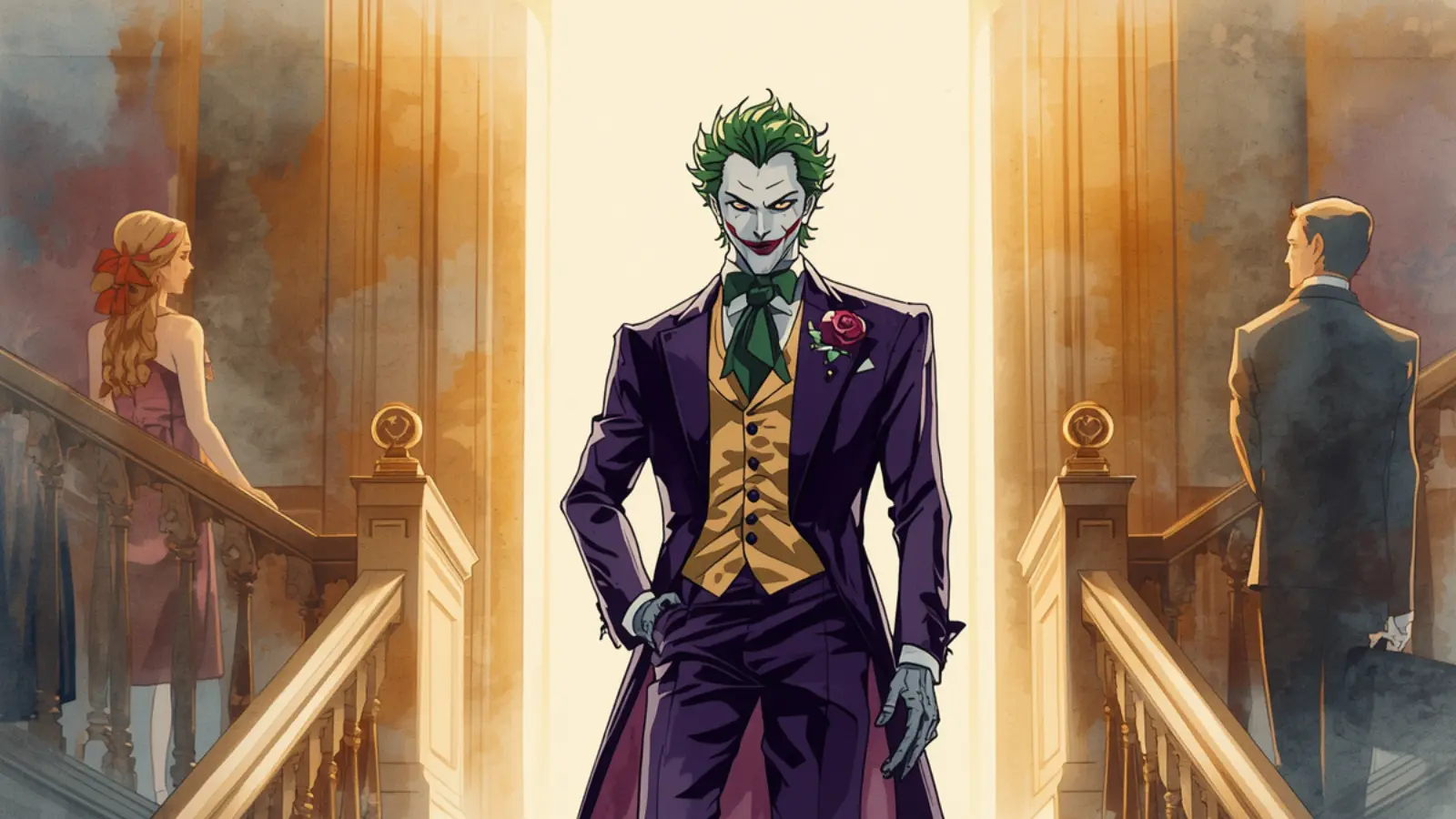
Some characters don’t just exist in stories — they linger in the heart like a soft echo after music stops.
The moment viewers meet Joker in Black Butler, there’s a quiet understanding that this isn’t a typical villain, nor a simple side character.
He’s warmth wrapped in tragedy, loyalty stitched into performance makeup, and heartbreak hidden beneath a playful grin.
Unlike many antagonists in anime, Joker’s story feels painfully human.
His devotion, his chosen family, and his desperate hope for belonging make him unforgettable.
And that’s exactly why people keep searching for him — not just for plot details, but for emotional meaning.
Let’s step under the circus lights and explore the soul of joker from black butler from every angle — emotionally, narratively, and psychologically.
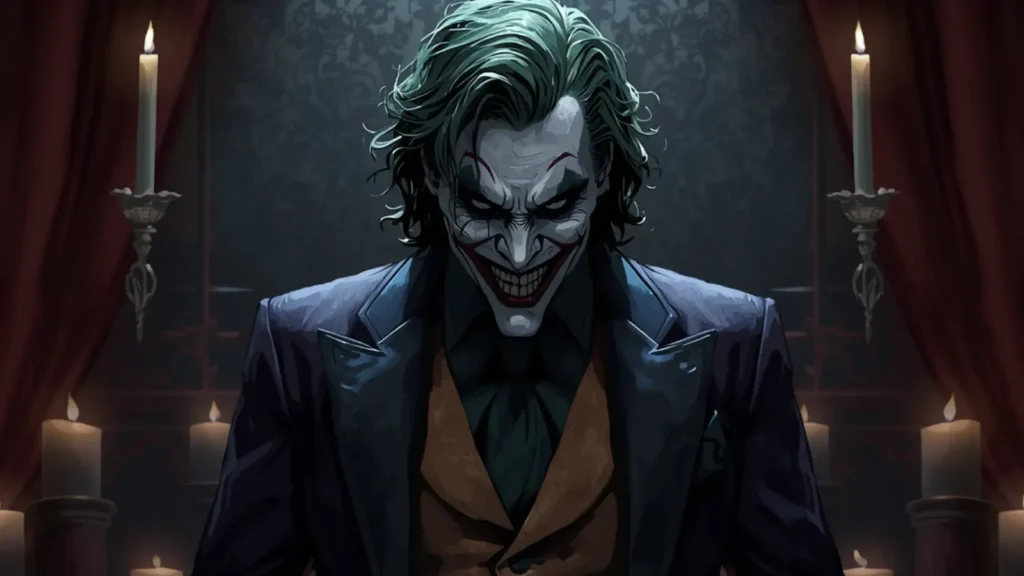
joker from black butler and the Symbolism of the Circus Mask
-
🎭 The circus persona hides vulnerability rather than evil.
-
🎪 Performance becomes survival, not entertainment.
-
💔 His smile reflects emotional defense mechanisms.
-
🪡 Costume design symbolizes stitched identity.
-
🌙 Night scenes reinforce loneliness beneath charisma.
-
🎠 Circus life mirrors instability and rootlessness.
-
🎨 Makeup acts as emotional armor.
-
🤹 His leadership shows protective empathy.
-
🕯️ The stage light contrasts his internal darkness.
-
🧩 Joker’s role reflects chosen-family psychology.
-
🌧️ Rain imagery highlights emotional collapse moments.
-
🔗 Loyalty ties him stronger than morality.
-
💫 He performs joy to suppress fear.
-
🪞 The mask reflects the universal fear of abandonment.
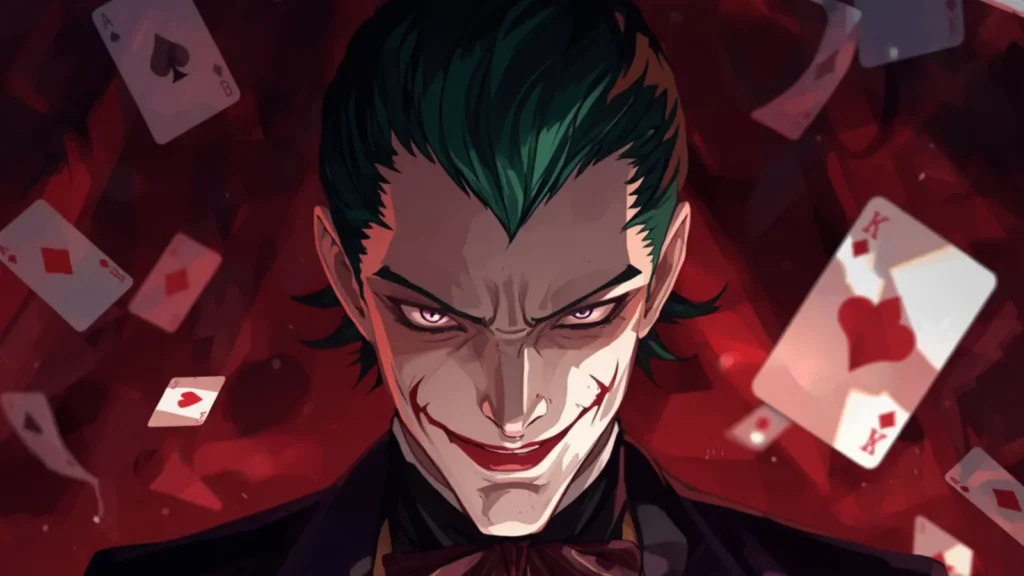
joker from black butler Through the Lens of Found Family Psychology
-
👨👩👧👦 Circus members replace lost childhood security.
-
💞 Emotional bonds override ethical judgment.
-
🧸 His nurturing behavior suggests caregiver trauma.
-
🛡️ Protectiveness reflects fear of losing belonging.
-
🫂 Attachment forms quickly in unstable lives.
-
🔄 Loyalty loops into self-sacrifice.
-
🧠 Trauma bonding explains unquestioned obedience.
-
🫶 He values connection over personal survival.
-
🔥 Shared suffering strengthens emotional loyalty.
-
🎀 Joker’s kindness emerges from deprivation.
-
🌱 Found family fulfills identity formation needs.
-
💌 He leads through affection, not authority.
-
🌉 Relationships give him existential purpose.
-
🫀 Love, not ideology, drives his actions.
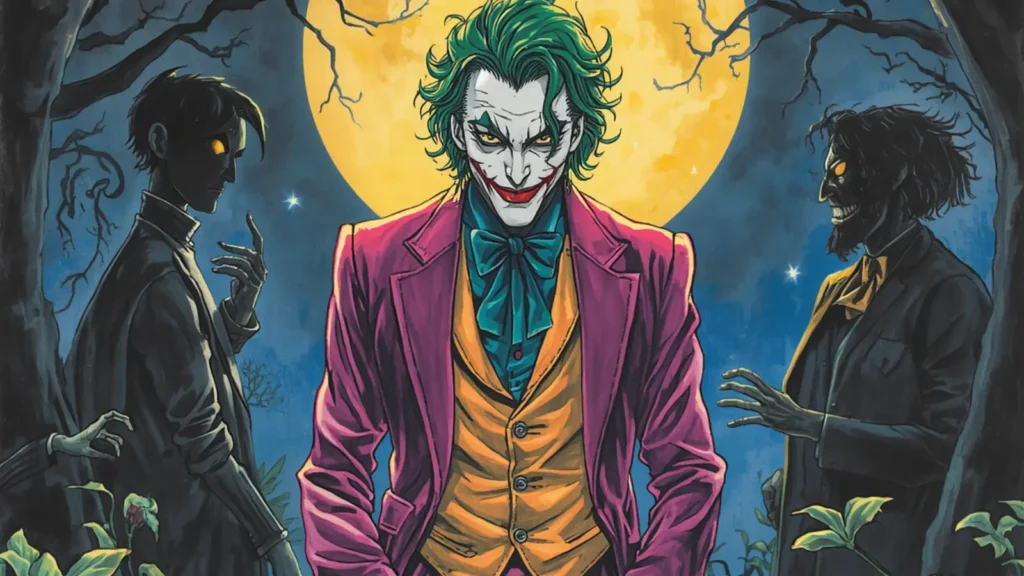
joker from black butler as a Study in Tragic Leadership
-
👑 Leadership built on care, not ambition.
-
🕊️ He protects others while accepting his fate.
-
🪓 Moral conflict defines his decisions.
-
🧭 He guides emotionally, not strategically.
-
🩹 Compassion becomes his leadership style.
-
⚖️ He balances loyalty and doubt internally.
-
🌄 Hope motivates his endurance.
-
🛠️ Responsibility weighs heavier than fear.
-
💬 Encouragement replaces intimidation.
-
🎇 Optimism shields the group’s morale.
-
🧱 He builds trust through warmth.
-
🪶 Soft leadership contrasts harsh world.
-
🌊 He absorbs others’ pain silently.
-
🧠 Leadership reveals his emotional maturity.
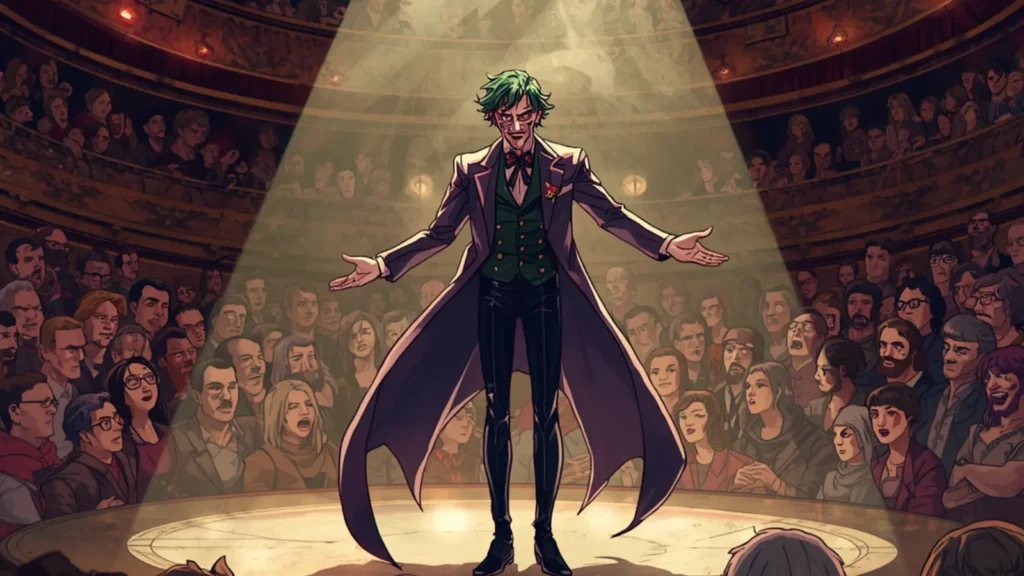
joker from black butler and the Beauty of Emotional Complexity
-
🌌 He embodies layered morality.
-
🖤 Innocence coexists with wrongdoing.
-
🌿 Compassion grows from hardship.
-
🔮 His motives stem from survival instincts.
-
🎶 Dialogue reveals deep sensitivity.
-
🌺 He feels deeply despite brutal life.
-
🧠 Internal conflict fuels character depth.
-
💎 His flaws humanize him.
-
🕰️ Past trauma shapes present decisions.
-
🔥 Passion overrides logic.
-
🎭 Humor masks existential fear.
-
🌊 Emotional honesty surfaces in private moments.
-
💫 He seeks belonging more than victory.
-
🪞 His story mirrors real human vulnerability.
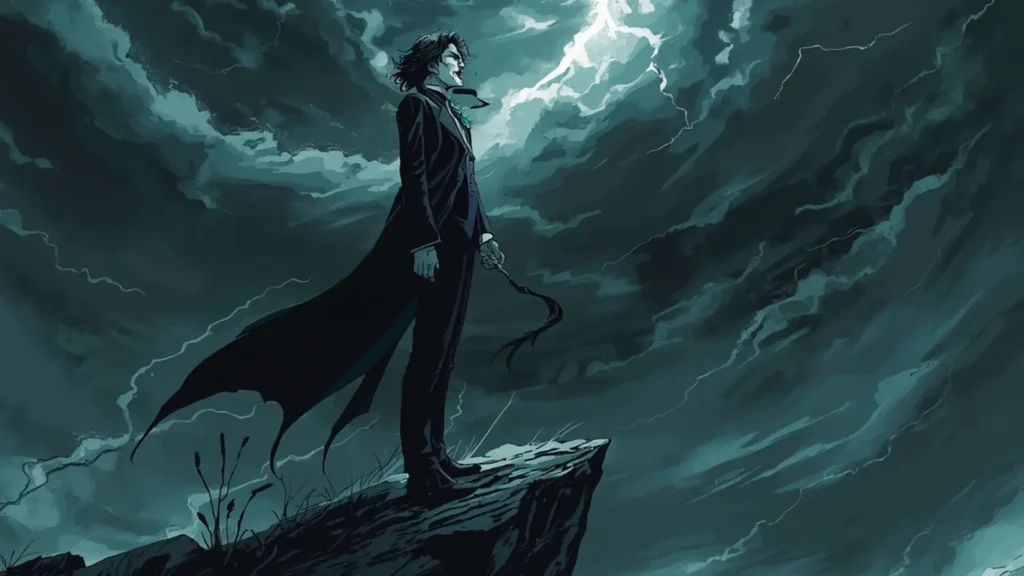
joker from black butler and the Narrative Power of Tragic Hope
-
🌠 He believes in a better future.
-
🕯️ Hope persists despite harsh reality.
-
🪶 Optimism drives loyalty.
-
🎀 He clings to dreams of safety.
-
🌄 Small joys sustain him.
-
🧩 Hope keeps the circus united.
-
💫 He protects dreams of others.
-
🫧 Innocence lives inside resilience.
-
🌷 Hope humanizes antagonistic roles.
-
🔥 Faith in family motivates sacrifice.
-
🌻 He nurtures emotional warmth.
-
🎶 Soft moments reveal optimism.
-
🛤️ His hope defines his tragedy.
-
🕊️ Dreams become his emotional anchor.
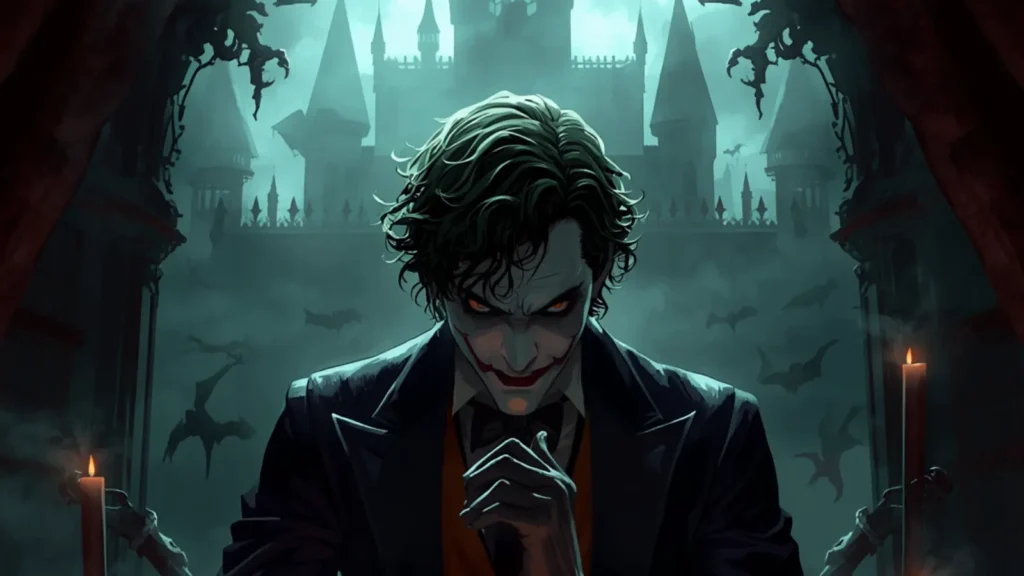
joker from black butler and His Emotional Connection to Ciel
-
🧊 Joker senses hidden pain in Ciel Phantomhive.
-
🎭 Their interaction reflects mirrored trauma.
-
⚖️ Both children shaped by loss.
-
🧠 Joker empathizes beyond suspicion.
-
🫀 Emotional recognition creates tension.
-
🪞 They reflect alternate life paths.
-
🌧️ Shared loneliness surfaces subtly.
-
🧩 Joker sees vulnerability, not threat.
-
🔗 Their encounter symbolizes fate.
-
🌫️ Trust flickers briefly.
-
💭 Joker imagines friendship possibility.
-
🎇 Their dynamic deepens narrative stakes.
-
🪶 Joker treats him gently.
-
🕯️ Their moment highlights innocence lost.
joker from black butler and the Role of Compassion in Villain Arcs
-
🫶 Compassion complicates audience perception.
-
🌿 Empathy transforms antagonist into tragic figure.
-
🎭 Joker’s kindness reshapes moral boundaries.
-
🧠 Emotional motives redefine “villain.”
-
🕊️ Humanity drives audience sympathy.
-
🔄 Compassion reframes narrative conflict.
-
💌 Gentle actions contrast dark mission.
-
🌙 Quiet scenes build emotional depth.
-
🪶 Softness enhances tragedy.
-
🌈 Emotional sincerity wins viewer hearts.
-
🧩 Complexity strengthens storytelling realism.
-
🪞 Joker reflects gray morality themes.
-
🔥 Compassion fuels sacrifice.
-
🕯️ Kindness becomes his defining trait.
joker from black butler and the Visual Language of His Design
-
🎨 Warm colors signal emotional openness.
-
🧵 Patchwork costume symbolizes broken past.
-
🎪 Circus motifs reinforce instability.
-
🪞 His eyes convey sincerity.
-
🧥 Outfit blends charm and melancholy.
-
🌟 Soft features contrast harsh world.
-
🎭 Makeup accentuates performance identity.
-
🕰️ Costume reflects childhood nostalgia.
-
🌙 Lighting emphasizes vulnerability.
-
🧩 Design communicates personality instantly.
-
🔮 Visual warmth invites empathy.
-
🪶 Gentle expressions soften scenes.
-
🎀 Colors signal emotional accessibility.
-
🌌 His design humanizes antagonism.
joker from black butler and the Emotional Impact of His Backstory
-
🏚️ Childhood instability shapes loyalty needs.
-
💔 Loss drives attachment urgency.
-
🧸 He seeks belonging above morality.
-
🔗 Trauma binds him to circus.
-
🌫️ Past suffering explains obedience.
-
🕯️ Pain fuels protective instincts.
-
🌱 He grows through hardship.
-
🧠 Backstory enriches narrative stakes.
-
🎭 Humor becomes coping mechanism.
-
🪞 His history mirrors real trauma responses.
-
🧩 Past wounds define choices.
-
🌊 Emotional depth emerges from loss.
-
💫 His innocence survives adversity.
-
🫀 Backstory makes tragedy inevitable.
joker from black butler and the Theme of Sacrifice in Dark Fantasy
-
🔥 Sacrifice defines his identity.
-
🛡️ He protects others at any cost.
-
🌉 Loyalty outweighs survival instinct.
-
🪶 He accepts tragic destiny calmly.
-
🌙 Selflessness elevates his character arc.
-
🎇 Sacrifice reinforces found-family theme.
-
🧭 His choices reflect emotional courage.
-
🫀 Love motivates sacrifice.
-
🕯️ He chooses others’ safety first.
-
🌠 Sacrifice transforms audience perception.
-
🔗 Bonds justify dangerous choices.
-
🧩 His arc embodies tragic nobility.
-
🌿 Compassion leads to downfall.
-
🎭 Sacrifice completes his narrative role.
joker from black butler and Audience Emotional Attachment
-
💞 Viewers empathize with his warmth.
-
🪞 He reflects universal desire for belonging.
-
🧠 Emotional realism deepens connection.
-
🌸 His kindness evokes protectiveness.
-
🎀 Tragic optimism invites sympathy.
-
🫂 Found-family themes resonate deeply.
-
🌌 His vulnerability feels authentic.
-
🔥 Passionate loyalty inspires admiration.
-
💫 His humor softens dark themes.
-
🌿 Gentle leadership earns respect.
-
🧩 Complexity fuels fan discussions.
-
🕯️ Emotional depth ensures memorability.
-
🪶 His humanity transcends narrative role.
-
💖 Fans mourn him like a real person.
joker from black butler and the Psychology of Loyal Antagonists
-
🧠 Loyalty often replaces personal identity.
-
🔗 He defines himself through relationships.
-
🛡️ Protection gives him purpose.
-
🌿 Emotional bonds guide decisions.
-
🧩 Loyalty can override ethics.
-
💫 Devotion becomes survival strategy.
-
🎭 He performs strength for others.
-
🌊 Fear of abandonment drives actions.
-
🕯️ Attachment shapes worldview.
-
🌠 He values belonging over freedom.
-
🪶 Emotional security motivates obedience.
-
💌 Loyalty becomes love language.
-
🔄 Dependence reinforces sacrifice.
-
🫀 His devotion defines his tragedy.
joker from black butler and the Lasting Legacy of His Character Arc
-
🌟 He redefines anime antagonists.
-
🧠 His arc proves emotion beats spectacle.
-
🪞 Joker reflects real human struggles.
-
🌸 Fans remember his kindness most.
-
🧩 His story enriches series themes.
-
🔥 Tragic hope leaves lasting impact.
-
🎭 He symbolizes hidden vulnerability.
-
🌌 Emotional storytelling ensures longevity.
-
💞 His relationships drive narrative power.
-
🕯️ His fate amplifies thematic depth.
-
🌿 He represents compassion in darkness.
-
🫂 Found-family theme resonates globally.
-
💫 Joker’s humanity shapes fandom discussions.
-
🪶 His legacy lives in emotional memory.
FAQ About joker from black butler
1. Why is Joker from Black Butler considered a tragic character?
Joker is tragic because his motivations come from love, not cruelty. He commits questionable actions only to protect the circus family that saved him. His story reflects the psychology of belonging and survival, making viewers sympathize deeply with him. Rather than chasing power or revenge, he simply wants safety and connection. This emotional grounding makes his fate feel inevitable and heartbreaking. Joker represents how circumstances shape people, and how kindness can exist even in morally gray situations. That blend of warmth and tragedy is what makes him unforgettable.
2. Is Joker a villain or misunderstood hero?
Joker fits neither category perfectly. He operates as an antagonist in the story’s conflict, yet his motivations are rooted in loyalty and compassion. He doesn’t enjoy harm, nor does he seek domination. Instead, he follows orders to protect his found family. This morally gray positioning is intentional. It challenges viewers to reconsider simplistic hero-villain labels. Joker embodies the idea that people can do wrong things for deeply human reasons. That complexity is exactly why audiences view him as more of a tragic protector than a traditional villain.
3. What makes Joker emotionally memorable to fans?
Joker’s emotional memorability comes from authenticity. His kindness feels natural, his humor feels genuine, and his loyalty feels deeply human. He reacts with warmth, not arrogance, even when facing danger. His relationships show tenderness rarely seen in antagonists. Fans remember him because he feels like someone who could exist in real life — a caring friend shaped by harsh circumstances. Emotional relatability makes characters stick in memory, and Joker’s sincerity ensures that viewers remember his heart long after his story ends.
4. How does Joker represent the found-family theme?
Joker’s entire identity revolves around his circus family. They aren’t just coworkers; they are emotional lifelines. This reflects the psychological concept of found family, where chosen relationships provide security that biological families could not. Joker protects this bond at all costs, even sacrificing himself. His story illustrates how belonging shapes identity and decision-making. The circus isn’t just a setting — it’s his emotional home. That’s why Joker’s loyalty feels so powerful and believable.
5. Why do viewers sympathize with Joker despite his actions?
Viewers sympathize because Joker’s intentions are protective, not selfish. He shows warmth, empathy, and genuine concern for others. His vulnerability makes him feel human rather than threatening. Stories often connect audiences to characters who show emotional sincerity, and Joker embodies that. His circumstances force him into morally questionable situations, but his kindness remains intact. That contrast creates emotional conflict in viewers, encouraging empathy rather than judgment.
6. What psychological traits define Joker’s personality?
Joker displays strong empathy, protective instincts, and attachment-driven behavior. He prioritizes relationships over personal safety, suggesting a deep fear of abandonment. His humor functions as a coping mechanism, helping him maintain hope. He also demonstrates caretaker tendencies, placing others’ emotional needs above his own. These traits create a psychologically realistic character whose motivations feel grounded. Joker’s personality isn’t built on ideology — it’s built on connection, which makes him emotionally compelling.
7. How does Joker contribute to Black Butler’s overall themes?
Joker strengthens the series’ themes of morality, class struggle, trauma, and identity. His story highlights how people can become trapped by circumstances beyond their control. He also emphasizes the importance of belonging and emotional survival. By presenting a compassionate antagonist, the narrative deepens its exploration of gray morality. Joker’s arc reminds viewers that the world of Black Butler isn’t divided into good and evil — it’s shaped by pain, loyalty, and survival.
8. What makes Joker different from other anime antagonists?
Many anime antagonists seek power, revenge, or ideological change. Joker seeks belonging. His motivation is emotional rather than strategic. He doesn’t enjoy cruelty, and he doesn’t see himself as a villain. This emotional grounding makes him feel more human than theatrical. His warmth contrasts sharply with the darkness of his role, making him unique among antagonists. Joker shows that sometimes the most memorable characters aren’t the strongest — they’re the most sincere.
Conclusion
The enduring power of joker from black butler lies in his humanity.
He isn’t remembered for battles or schemes — he’s remembered for kindness, loyalty, and quiet hope.
His story reminds us that even in dark worlds, the deepest motivations are often love and belonging.
Joker doesn’t just perform under circus lights.
He performs for survival, for family, and for the fragile dream that somewhere, he truly belongs.
And maybe that’s why we still remember him — not as a villain, but as a heart that tried to shine in the dark.
Scarlett Hayes is a modern American personality known for creativity, elegance, and a passion for lifestyle and wellness. With interests in fashion, travel, and personal development, Scarlett brings a fresh, inspiring outlook to modern living and digital culture.