
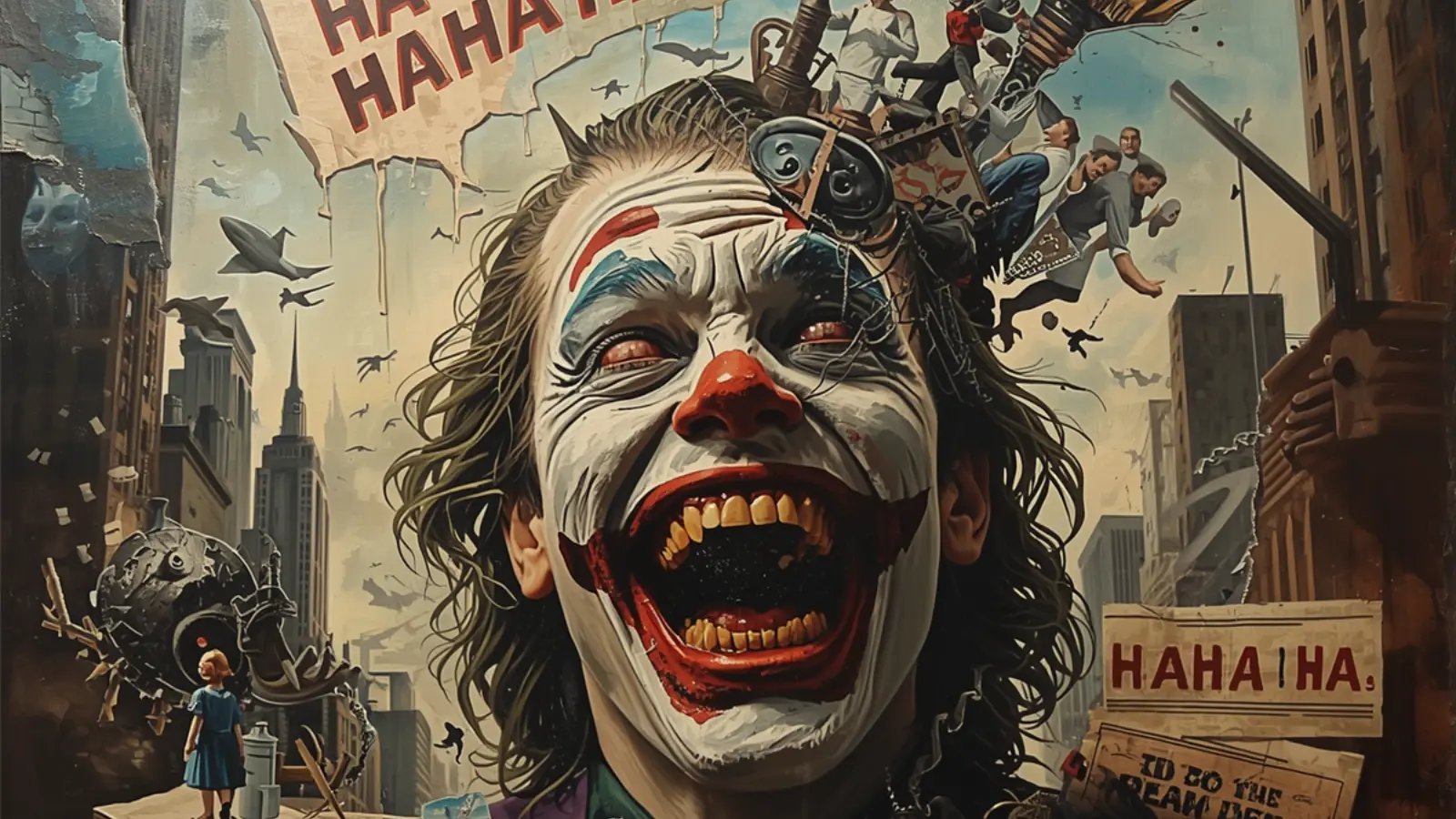
There’s something unforgettable about a laugh that isn’t joyful… a laugh that echoes, lingers, and sends a tiny shiver down your spine.
The moment you hear that laugh — sharp, unhinged, and oddly magnetic — you know exactly who it belongs to.
The world of the Joker has turned a simple “ha ha ha” into a cultural symbol of chaos, rebellion, vulnerability, and theatrical madness.
But why does this laugh fascinate us so deeply?
Why do memes, edits, movie scenes, and social media captions keep reviving the phrase “joker ha ha ha” again and again?
This article explores the psychology, storytelling power, emotional symbolism, and SEO-driven cultural relevance of the phrase — blending pop culture insight with human emotion.
Joker Ha Ha Ha and the Emotional Code Hidden in Villainous Laughter
-
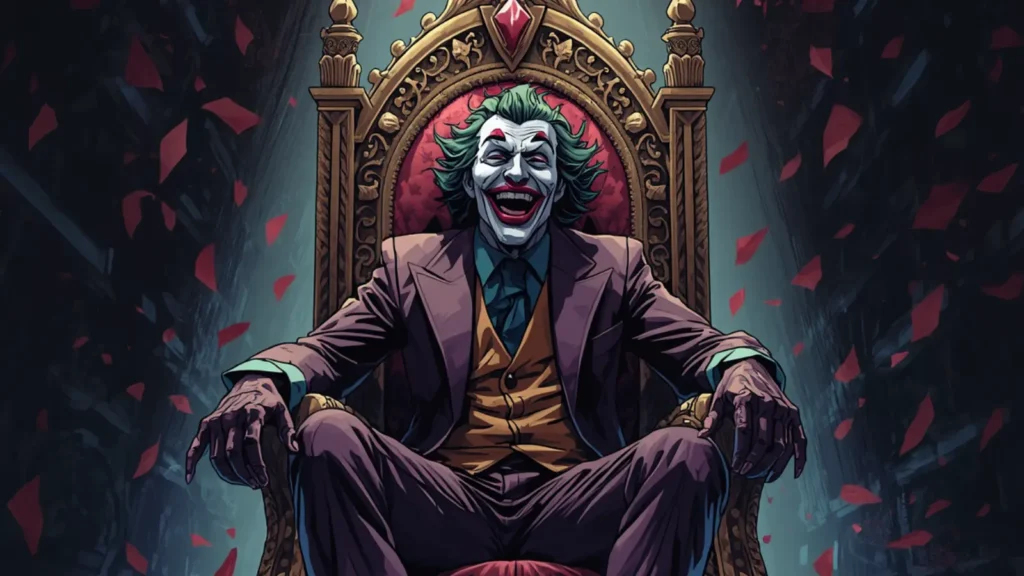
😈 Laughter in storytelling signals emotion, but joker ha ha ha flips joy into unpredictability.
-
🎭 The laugh represents emotional instability, creating tension in scenes instantly.
-
🧠 It triggers curiosity because humans instinctively analyze abnormal emotional signals.
-
💔 It often hides pain, trauma, or loneliness beneath theatrical humor.
-
🎬 Directors use the laugh as an auditory symbol of chaos and narrative escalation.
-
🔊 Sound design amplifies the laugh to create psychological discomfort.
-
💬 Viewers subconsciously read it as a warning rather than amusement.
-
🌪️ It embodies disorder in contrast to the order represented by heroes.
-
🖤 It connects with audiences who relate to feeling misunderstood.
-
🎨 Artists use the phrase to explore themes of identity fragmentation.
-
📖 In literature analysis, it reflects existential rebellion.
-
🌍 Across cultures, unsettling laughter often symbolizes broken social norms.
-
🕰️ The phrase persists because emotional extremes stick in memory.
-
✨ Ultimately, joker ha ha ha functions as emotional storytelling shorthand.
Joker Ha Ha Ha as a Symbol of Social Rebellion and Identity
-
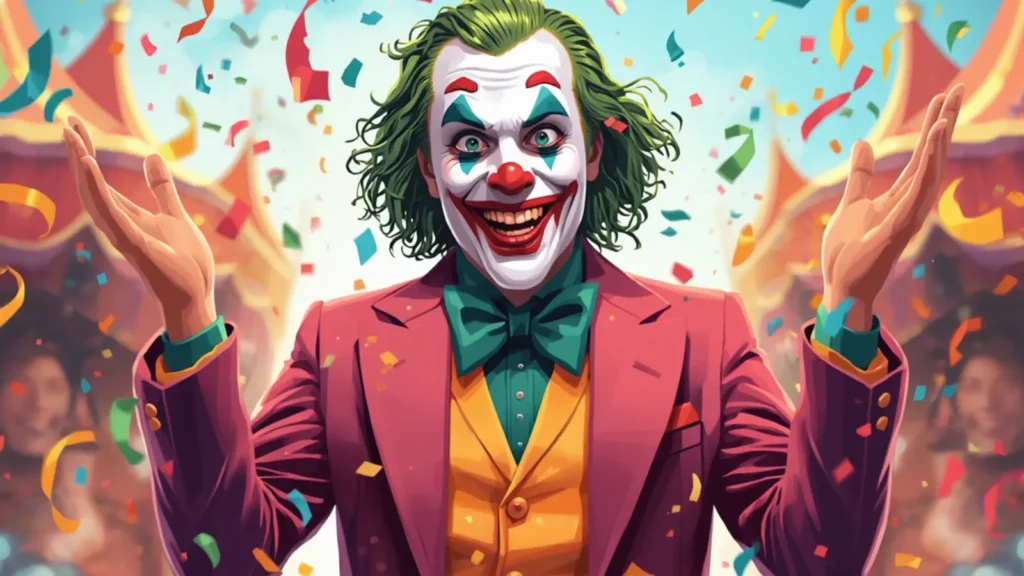
🔥 The laugh often appears during acts of defiance or social collapse.
-
🧩 It reflects identity loss and reconstruction.
-
🎤 It’s frequently used in speeches about chaos or freedom.
-
🧠 Psychologically, it mirrors coping mechanisms like dark humor.
-
🪞 It represents society’s fear of unpredictability.
-
💭 Online users adopt it to express ironic detachment.
-
🧨 It symbolizes refusal to conform.
-
🖋️ Writers use it as shorthand for anti-hero philosophy.
-
🎮 Gamers adopt the phrase to show chaotic victory.
-
🧵 Meme culture amplifies its rebellious tone.
-
🎧 Audio remixes exaggerate the laugh to heighten intensity.
-
🧍 It reflects loneliness masked by theatrical confidence.
-
🌘 The phrase fits narratives about moral ambiguity.
-
🌟 It captures the paradox of attraction to danger.
Joker Ha Ha Ha and the Art of Character Contrast
-
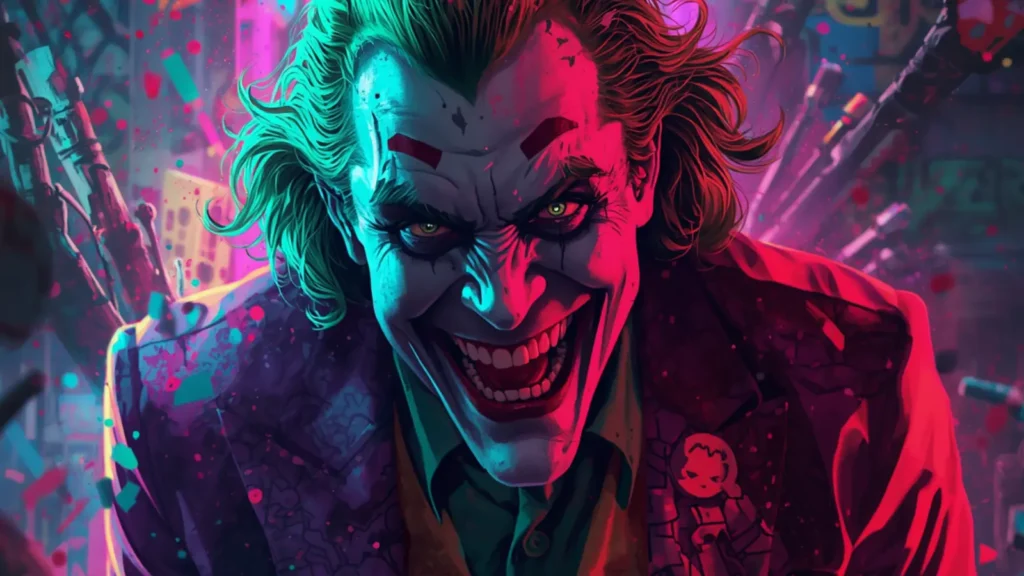
🦇 The laugh works because it contrasts with Batman’s silence.
-
🎬 Silence vs. laughter creates emotional rhythm in storytelling.
-
⚖️ It highlights moral extremes in narratives.
-
🧩 Opposites create stronger memory retention for viewers.
-
🧠 Contrast increases perceived psychological depth.
-
🕵️♂️ It emphasizes philosophical clashes rather than physical battles.
-
🎨 Visual storytelling often pairs darkness with exaggerated smiles.
-
🎧 Sound contrast increases cinematic tension.
-
💬 Dialogue pauses before laughter heighten suspense.
-
🎭 Actors use breath timing to control impact.
-
📚 Critics view it as narrative punctuation.
-
🌌 The laugh echoes themes of order vs. chaos.
-
🎥 Editing rhythm reinforces emotional contrast.
-
💡 Ultimately, contrast makes joker ha ha ha unforgettable.
Joker Ha Ha Ha in Modern Meme Culture and Digital Expression
-
📱 Memes use the phrase to signal chaotic humor.
-
😂 It’s often paired with absurd captions or ironic situations.
-
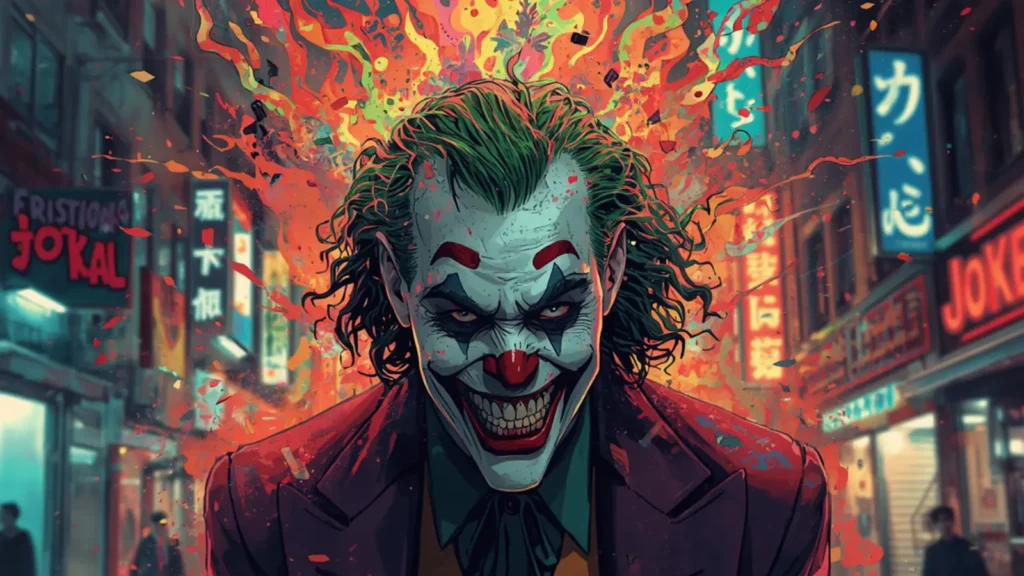
🖼️ Visual edits exaggerate facial expressions for comedic effect.
-
🎮 Gaming clips use it to highlight unpredictable wins.
-
🎧 TikTok audio loops amplify the phrase’s theatrical feel.
-
🧵 Twitter users post it to show sarcastic amusement.
-
🪄 It functions as digital shorthand for “embrace the chaos.”
-
💻 SEO trends show steady search spikes for the phrase.
-
📊 Its shareability comes from emotional immediacy.
-
🎨 Fan art often centers on the iconic grin and laugh.
-
💡 Meme longevity depends on emotional resonance.
-
🧠 It allows safe exploration of dark humor themes.
-
🌍 It crosses language barriers easily.
-
✨ Meme culture keeps joker ha ha ha evergreen online.
Joker Ha Ha Ha and the Psychology of Fearful Attraction
-
😨 Humans are wired to notice emotional unpredictability.
-
💘 Fear mixed with fascination boosts memory retention.
-
🧠 The laugh activates threat-detection instincts.
-
🎭 Yet theatrical exaggeration makes it entertaining.
-
💬 Viewers interpret it as emotional honesty.
-
🧩 It mirrors internal conflict many people hide.
-
🎬 Film studies link it to tension-release cycles.
-
🔊 Sound pitch variation triggers subconscious unease.
-
🖤 Dark humor helps people process discomfort.
-
🧠 The brain processes ambiguous emotion longer.
-
🎧 Echo effects deepen psychological impact.
-
📖 Narratively, it foreshadows disruption.
-
🌒 It symbolizes loss of social masks.
-
✨ That emotional complexity fuels its cultural grip.
Joker Ha Ha Ha Through Legendary Performances in Cinema
-
🎭 Heath Ledger delivered a chaotic, unpredictable laugh.
-
🎬 His performance emphasized instability over theatrics.
-
🧠 Viewers read vulnerability beneath menace.
-
🎥 Sound design highlighted breath patterns.
-
🎭 Joaquin Phoenix portrayed laughter as emotional compulsion.
-
💔 His version tied the laugh to trauma.
-
🎧 Audio editing made each laugh feel personal.
-
📖 Critics noted realism over comic exaggeration.
-
🎬 Todd Phillips framed the laugh as social commentary.
-
🎥 Earlier films by Christopher Nolan used it as philosophical threat.
-
🎭 Each actor shapes the laugh’s emotional meaning.
-
🧠 Performance nuance drives audience empathy.
-
🎧 Micro-expressions amplify authenticity.
-
✨ Cinema keeps joker ha ha ha evolving.
Joker Ha Ha Ha and the Role of Sound in Storytelling
-
🔊 Sound signals emotional shifts faster than dialogue.
-
🎧 Pitch variation suggests instability.
-
🧠 Sudden laughter interrupts audience expectations.
-
🎬 Editors time it for maximum narrative disruption.
-
🎭 Actors rehearse breathing to control rhythm.
-
🎼 Musical silence before laughter increases impact.
-
📖 Audio cues guide viewer interpretation.
-
🔉 Echoing effects enhance menace.
-
🪄 Sound becomes symbolic storytelling language.
-
🧩 Repetition makes the phrase iconic.
-
💡 Audio branding boosts memorability.
-
🎮 Game designers use similar audio psychology.
-
🌍 Cross-language accessibility increases global reach.
-
✨ Sound design immortalizes joker ha ha ha.
Joker Ha Ha Ha as a Mirror of Emotional Vulnerability
-
💔 Many stories link the laugh to hidden pain.
-
🧠 Dark humor often masks distress.
-
🎭 Characters laugh when they feel powerless.
-
🪞 It reflects human fear of rejection.
-
📖 Writers use it to show emotional fracture.
-
💬 Audiences empathize with masked suffering.
-
🧩 It signals identity conflict.
-
🌧️ Often appears after emotional breaking points.
-
🎬 Cinematic lighting enhances vulnerability cues.
-
🎨 Makeup symbolism reinforces emotional masks.
-
🧠 Viewers recognize emotional contradiction.
-
🖤 Pain mixed with humor feels authentic.
-
🌒 It expresses isolation without dialogue.
-
✨ That emotional honesty drives cultural obsession.
Joker Ha Ha Ha and the Philosophy of Chaos Narratives
-
🌀 Chaos stories question societal rules.
-
🧠 Laughter signals rejection of order.
-
🎭 It represents unpredictability as power.
-
📖 Philosophically, it echoes existential themes.
-
🔥 Chaos narratives explore freedom vs. control.
-
🎬 Villain laughter disrupts narrative comfort.
-
💭 It invites moral reflection.
-
🧩 Symbolizes resistance to structure.
-
🌍 Appears in stories about social collapse.
-
🎨 Artistic symbolism links it to transformation.
-
🖤 Often paired with themes of alienation.
-
🧠 Emotional contradiction deepens narrative tension.
-
🎧 Sound cues reinforce ideological shifts.
-
✨ The phrase embodies narrative rebellion.
Joker Ha Ha Ha in Visual Symbolism and Iconography
-
🎨 The smile contrasts with dark eye makeup.
-
🖌️ Artists exaggerate mouth shapes to convey mania.
-
🧠 Visual extremes enhance memorability.
-
🎭 Costume color theory amplifies contrast.
-
🪞 Mirrors often appear in laugh scenes.
-
🌘 Lighting emphasizes facial tension.
-
🧩 Symbolic props enhance visual storytelling.
-
🎬 Close-ups intensify emotional focus.
-
📖 Comics frame laughter in jagged text bubbles.
-
💡 Visual repetition creates brand recognition.
-
🎧 Audio-visual sync heightens impact.
-
🌍 Iconography transcends language barriers.
-
🖼️ Posters often freeze the laughing moment.
-
✨ Visual storytelling keeps it culturally alive.
Joker Ha Ha Ha and the Rise of Anti-Hero Fascination
-
🖤 Modern audiences crave morally complex characters.
-
🧠 The laugh signals depth beyond villainy.
-
🎭 Anti-heroes feel emotionally authentic.
-
📖 Stories explore societal responsibility.
-
💭 Viewers project personal struggles onto characters.
-
🎬 Cinema humanizes villains more than before.
-
🧩 Ambiguity sparks debate and discussion.
-
🔥 Emotional realism increases cultural impact.
-
🎧 Dialogue pauses before laughter intensify drama.
-
🌍 Global audiences resonate with outsider narratives.
-
🖋️ Writers use it to explore moral gray areas.
-
🧠 Empathy drives engagement metrics.
-
🎮 Games mirror this trend in character design.
-
✨ Anti-hero storytelling fuels its longevity.
Joker Ha Ha Ha in Search Trends, SEO, and Digital Curiosity
-
📊 The phrase spikes during film releases.
-
🔍 Users search it for memes, quotes, and psychology.
-
🧠 Emotional keywords increase click-through rates.
-
💻 Long-tail searches include “joker laugh meaning.”
-
📱 Social media virality drives search traffic.
-
🎯 Intent ranges from entertainment to analysis.
-
📈 Emotional phrases outperform neutral ones.
-
🧩 NLP signals show association with chaos themes.
-
🎬 Video snippets boost engagement.
-
🪄 Search engines reward emotionally rich content.
-
🧠 Curiosity gaps increase dwell time.
-
💡 Semantic clustering improves ranking potential.
-
🌍 Global recognition expands search volume.
-
✨ Strategic SEO keeps the phrase discoverable.
Joker Ha Ha Ha and the Emotional Storytelling Blueprint
-
🧠 Strong symbols anchor audience memory.
-
🎭 Emotional contradiction drives engagement.
-
📖 Repetition builds narrative identity.
-
🎬 Sound cues trigger emotional anticipation.
-
🧩 Character symbolism deepens thematic layers.
-
💬 Dialogue timing controls audience reaction.
-
🎧 Audio patterns create brand recognition.
-
🖋️ Writers use laughter as narrative punctuation.
-
🌘 Symbolism adds interpretive depth.
-
🧠 Emotional realism boosts relatability.
-
🎨 Visual motifs strengthen storytelling cohesion.
-
💡 Audience interpretation drives cultural longevity.
-
🔥 Strong emotion fuels viral sharing.
-
✨ This blueprint explains the lasting power of joker ha ha ha.
FAQ — Joker Ha Ha Ha Meaning, Psychology, and Cultural Impact
1. Why is the Joker’s laugh so iconic in pop culture?
The laugh stands out because it blends humor with threat. Instead of expressing joy, it signals unpredictability, making audiences uneasy yet fascinated. Storytelling psychology shows that emotional contradictions capture attention faster than predictable reactions. Over time, repeated cinematic portrayals, meme culture, and character symbolism turned the laugh into a recognizable audio signature. It’s not just a sound — it represents chaos, rebellion, and emotional vulnerability all at once, which is why it keeps resurfacing across films, comics, and online culture.
2. What does “joker ha ha ha” symbolize emotionally?
Emotionally, it represents hidden pain masked by theatrical humor. Many interpretations connect it to loneliness, identity conflict, and social alienation. Rather than pure villainy, the phrase suggests emotional fracture or coping through dark humor. That layered meaning allows audiences to empathize even while feeling uneasy. Because it expresses multiple emotional states simultaneously — defiance, sadness, rebellion — it resonates deeply with viewers who understand complex feelings beneath outward behavior.
3. Why do people search for joker laugh meanings online?
Search behavior shows users are drawn to emotionally rich symbols. The laugh sparks curiosity because it feels meaningful beyond entertainment. People want to understand its psychology, symbolism, and narrative role. Additionally, meme culture and film discussions drive traffic. When a phrase becomes culturally recognizable yet emotionally ambiguous, it naturally invites analysis — making it a strong search topic across entertainment, psychology, and storytelling communities.
4. Is the Joker’s laugh meant to be scary or tragic?
It’s designed to be both. Fear emerges from unpredictability, while tragedy comes from emotional vulnerability often hinted behind the laugh. This dual meaning makes it psychologically powerful. Horror elements create tension, but human backstory creates empathy. That combination keeps audiences emotionally invested instead of simply frightened.
5. How do actors prepare for such an iconic laugh?
Actors typically study breathing patterns, emotional triggers, and psychological motivations. Some explore vocal strain techniques, while others focus on physical gestures or facial tension. The goal isn’t just sound but emotional authenticity. When the laugh reflects internal conflict rather than performance alone, it feels more believable and impactful on screen.
6. Why does villain laughter attract audiences?
Villain laughter breaks social norms. Humans are wired to notice unusual emotional signals, so exaggerated laughter grabs attention instantly. At the same time, it allows audiences to explore taboo emotions safely through fiction. This combination of curiosity, tension, and emotional release explains why it remains compelling.
7. How does the phrase help SEO and online content discovery?
Emotionally charged keywords often outperform neutral ones in search results. “Joker ha ha ha” blends pop culture, psychology, and humor — attracting diverse search intent. This semantic richness helps content rank across entertainment, analysis, and meme-related searches, improving visibility and engagement.
8. Why does the Joker remain culturally relevant decades later?
The character embodies timeless themes: chaos vs. order, individuality vs. society, and identity vs. expectation. Because these conflicts never disappear, audiences keep returning to the character. Each generation reinterprets the symbolism, ensuring ongoing relevance in film, art, and digital culture.
Conclusion
A simple laugh shouldn’t hold so much power — yet joker ha ha ha has become one of storytelling’s most unforgettable emotional signatures.
It symbolizes chaos, vulnerability, rebellion, and theatrical identity all at once.
Whether heard in cinema, seen in memes, or explored in psychology discussions, the phrase continues to echo because it speaks to something deeply human:
the fragile line between humor and heartbreak.

Noah Kensington is a modern American personality recognized for his visionary mindset, leadership qualities, and passion for innovation. Interested in business, technology, and self-improvement, Noah represents ambition, creativity, and a forward-looking approach to personal and professional success.