

Laughter is one of humanity’s most magical tools.
It bridges gaps, heals wounds, and can even spark romance or defuse tension.
But sometimes, the delicate balance of humor tips a little too far, and someone blurts out, “It was a joke.”
Suddenly, what was meant to amuse becomes a moment of confusion, embarrassment, or even offense.
Humor is deceptively complex—an intricate dance between timing, context, perception, and emotion.
In this article, we’ll explore every nuance of the phrase “it was a joke”, uncover why humor works (or fails), and how embracing playful laughter can transform your social and emotional life.
By the end, you’ll see that jokes aren’t just entertainment—they’re a window into the human psyche.
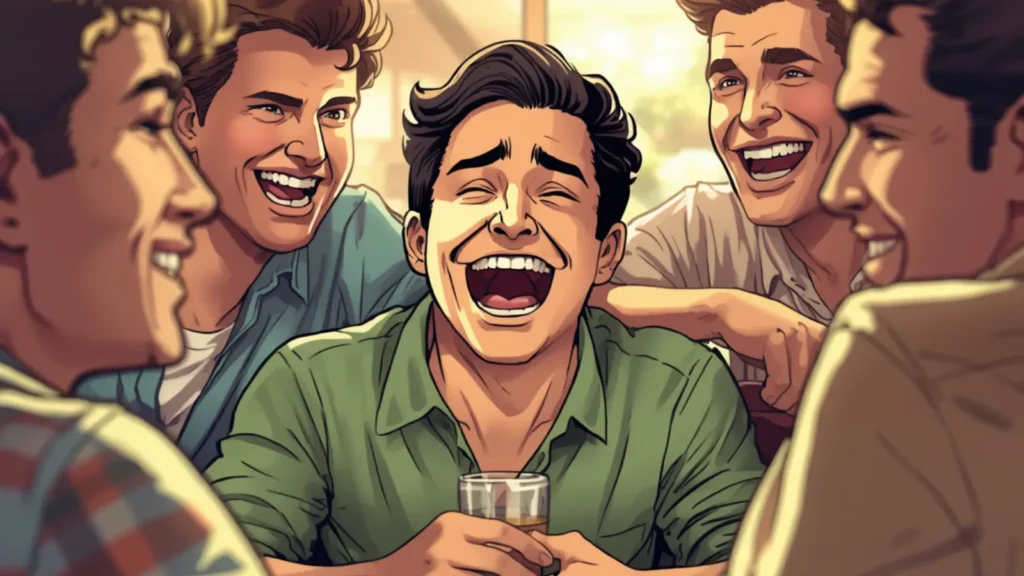
It Was a Joke❤️❤️—Understanding Its Emotional Layers
-
😅 The Relief Factor – Saying “it was a joke” often signals a tension release, softening moments of awkwardness.
-
🧠 Cognitive Reframing – Humor reframes reality, allowing people to see situations differently.
-
💔 Navigating Hurt – Sometimes jokes hurt unintentionally, and the phrase helps repair emotional cracks.
-
🤔 Perspective Shift – A joke encourages people to momentarily adopt a new viewpoint.
-
🥰 Bonding Through Laughter – Shared humor strengthens trust and connection.
-
😎 Social Armor – Humor often acts as a shield, letting us speak truths indirectly.
-
🔄 The Backfire Effect – Misread humor can create misunderstandings; “it was a joke” salvages intent.
-
🎭 Identity Expression – Jokes communicate personality, wit, and cultural awareness.
-
🕊️ Conflict Diffusion – A well-timed joke reduces tension in difficult conversations.
-
🎯 Highlighting Irony – Ironical jokes make us think and laugh simultaneously.
-
🌟 Boosting Confidence – Humor conveys social intelligence and adaptability.
-
💌 Emotional Resonance – Jokes often hit the heart, not just the funny bone.
-
⏳ Timing Sensitivity – The emotional effect depends on when and how the joke is delivered.
-
🧩 Context Matters – Understanding your audience ensures a joke lands as intended.
It Was a Joke❤️❤️—The Psychology Behind Why We Laugh
-
🧠 Neurological Reward – Laughter triggers dopamine, creating pleasure and bonding.
-
😆 Surprise Element – Unexpected punchlines activate cognitive pleasure centers.
-
🕵️♂️ Pattern Recognition – Humor rewards our brain for noticing incongruities.
-
🧩 Problem-Solving Mode – Decoding jokes exercises mental agility.
-
🧘♀️ Stress Reduction – Laughter lowers cortisol, calming anxiety naturally.
-
💡 Creativity Boost – Humor fosters flexible thinking and imaginative connections.
-
👥 Social Synchronization – Laughing together strengthens group cohesion.
-
🏆 Self-Esteem Elevation – Wit can elevate perceived intelligence and likability.
-
🗣️ Communication Shortcut – Jokes convey complex ideas succinctly.
-
🌐 Cultural Reflection – Humor often mirrors societal norms and taboos.
-
🥳 Mood Regulation – A lighthearted joke can instantly shift emotional states.
-
🎉 Ritualistic Bonding – Shared jokes create mini-celebrations in social settings.
-
🤹♂️ Cognitive Flexibility – Understanding humor requires mental agility.
-
🛡️ Defense Mechanism – Humor can mask insecurity or discomfort safely.
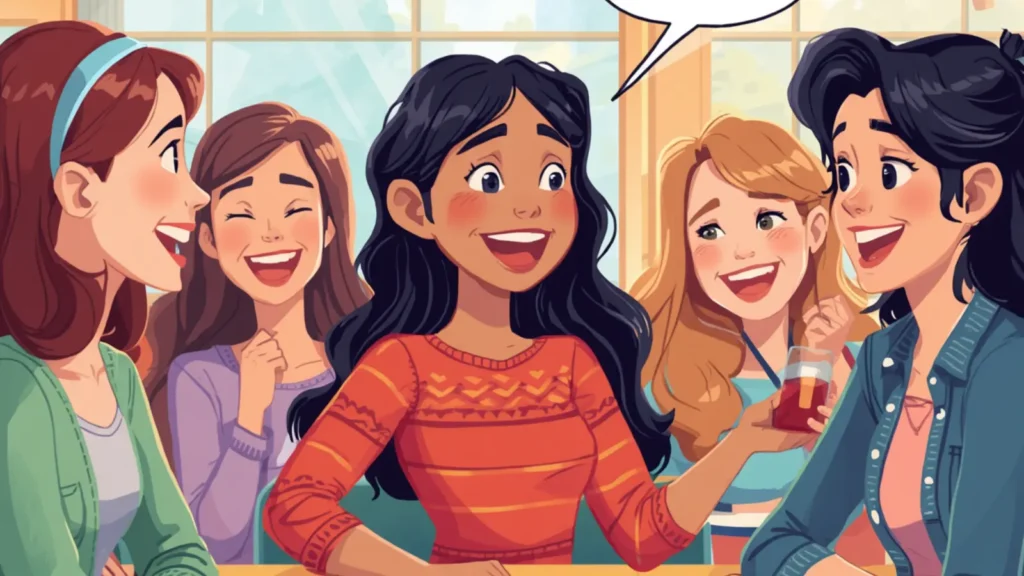
It Was a Joke❤️❤️—Navigating Social Contexts
-
👔 Professional Boundaries – Workplace humor must respect hierarchy and decorum.
-
🏠 Family Dynamics – Personal history affects how jokes are perceived at home.
-
🌍 Cultural Sensitivity – Humor that lands in one culture may fail in another.
-
📱 Digital Timing – Online jokes lack tone, making “it was a joke” crucial.
-
👫 Friendship Calibration – Close friends tolerate edgy humor; strangers may not.
-
🎭 Public Performance – Comedians rely on audience context for timing and style.
-
🤝 Conflict Resolution – Humor can soften criticism when phrased thoughtfully.
-
🕹️ Gaming Communities – Shared language and inside jokes build loyalty.
-
🏆 Leadership Use – Leaders can humanize themselves with measured humor.
-
🛑 Boundary Awareness – Recognizing discomfort prevents hurt feelings.
-
💬 Conversational Flow – Humor keeps dialogue light without derailing topics.
-
🎨 Creative Expression – Jokes allow playful experimentation in art and writing.
-
🤓 Intellectual Play – Clever puns appeal to cognitive engagement.
-
🧩 Adaptive Humor – Adjusting jokes to audience feedback shows social intelligence.
It Was a Joke❤️❤️—When Humor Misfires
-
⚠️ Ambiguity Trap – Vague humor confuses rather than entertains.
-
💔 Accidental Insults – Timing or sensitivity failures can hurt unexpectedly.
-
🧨 Trigger Words – Certain phrases may unintentionally evoke strong emotions.
-
🚫 Overuse Effect – Excessive joking can dilute credibility.
-
🕳️ Context Collapse – Online jokes lack nuanced cues, often misunderstood.
-
🧩 Personality Mismatch – Not everyone shares the same humor style.
-
⏰ Timing Misalignment – Poorly timed humor can worsen tension.
-
🤯 Overcomplicated Punchlines – Complex jokes may lose audiences.
-
🎯 Targeted Offense – Jokes aimed at sensitive subjects require extreme caution.
-
💬 Feedback Ignored – Failing to recognize discomfort signals insensitivity.
-
🪞 Mirror Effect – Humor can reflect internal biases unintentionally.
-
🧘 Self-Deprecation Limits – Too much self-mockery risks undermining confidence.
-
📉 Relationship Strain – Misunderstood humor can erode trust.
-
⚖️ Balance Restoration – A sincere “it was a joke” can mend misfires if timely.
It Was a Joke❤️❤️—Mastering Timing and Delivery
-
⏱️ Pacing Precision – Deliver punchlines at the optimal moment.
-
🗣️ Tone Modulation – Vocal inflection communicates intent subtly.
-
👀 Body Language Cues – Gestures reinforce humorous intent.
-
🎯 Audience Alignment – Match content to listener mood and preferences.
-
🤹 Rhythm Awareness – Natural cadence increases comedic impact.
-
🧩 Context Embedding – Seamless integration of jokes prevents jarring transitions.
-
😏 Subtlety Over Bluntness – Understated humor often lands best.
-
🥁 Pause Power – Strategic pauses heighten anticipation.
-
💌 Relatable Content – Shared experiences make jokes resonate emotionally.
-
🌈 Playful Exaggeration – Amplification adds comedic flair without cruelty.
-
🎭 Persona Matching – Align humor style with personal identity.
-
🛡️ Safety Nets – Prepare follow-ups like “it was a joke” for misinterpretation.
-
🌀 Adaptive Recovery – Adjust delivery mid-conversation if reactions falter.
-
✨ Timing Confidence – Bold, confident delivery reinforces effectiveness.
It Was a Joke❤️❤️—The Art of Self-Deprecating Humor
-
🤭 Relatable Vulnerability – Self-jokes humanize and endear you to others.
-
💡 Subtle Insight – Sharing quirks shows intelligence and self-awareness.
-
😂 Diffuse Ego Tension – Light self-mockery prevents arrogance perception.
-
🧩 Cultural References – Contextual self-deprecation resonates deeply.
-
🎯 Balance Strategy – Avoid excessive self-critique to maintain respect.
-
🧘 Emotional Resilience – Laughing at oneself builds coping mechanisms.
-
👫 Social Lubricant – Bridges gaps in new friendships.
-
⚖️ Humility Display – Demonstrates grounded confidence.
-
🎉 Mood Elevation – Sparks lightheartedness in tense situations.
-
🌟 Highlight Strengths – Humor can subtly showcase hidden talents.
-
🛡️ Preemptive Shield – Disarming potential criticism with jokes.
-
🧠 Cognitive Engagement – Clever self-jokes stimulate intellect.
-
🪞 Mirror Connection – Encourages empathy through shared human flaws.
-
🏆 Charisma Amplifier – When done right, self-deprecation enhances likability.
It Was a Joke❤️❤️—Flirting and Playful Banter
-
😘 Teasing Chemistry – Gentle jokes spark romantic tension.
-
💌 Shared Laugh Signals – Humor builds intimacy effortlessly.
-
🥰 Playful Provocation – Light jabs indicate interest without pressure.
-
💃 Body Language Sync – Smiles, glances, and tone amplify flirty jokes.
-
😏 Witty Rebounds – Quick comebacks show intelligence and charm.
-
🎯 Inside Joke Creation – Builds private connection layers.
-
🥳 Fun Persona Projection – Humor signals approachable confidence.
-
🧩 Testing Boundaries – Safe jokes gauge comfort levels subtly.
-
🌈 Positive Reinforcement – Mutual laughter enhances attraction.
-
🗣️ Storytelling Integration – Flirtatious humor thrives in playful narratives.
-
🧠 Clever Wordplay – Intellectual jokes intrigue romantically.
-
🌟 Timing Intuition – Recognizing the right moment for flirtatious humor.
-
🤝 Reciprocity Encouragement – Playful exchanges invite responses.
-
💖 Memorable Interactions – Humor creates lasting emotional impressions.
It Was a Joke❤️❤️—Cultural Nuances of Humor
-
🌏 Cross-Cultural Sensitivity – Words and context vary globally.
-
🧩 Idiomatic Expressions – Local phrases add depth to jokes.
-
🎭 Historical References – Timeless humor resonates differently in each era.
-
🏛️ Tradition vs Modernity – Evolving norms shape humor perception.
-
💬 Language Play – Puns and wordplay thrive in certain linguistic cultures.
-
🤝 Social Hierarchy – Humor can reinforce or challenge status norms.
-
🕰️ Timing Traditions – Cultural storytelling timing impacts delivery.
-
🥳 Celebratory Humor – Festivals and rituals often include playful banter.
-
🧠 Cognitive Framing – Cultural background shapes interpretation.
-
🎯 Taboo Navigation – Avoid sensitive topics unfamiliar to audiences.
-
🪄 Magic of Local Humor – Regional quirks enhance relatability.
-
🌟 Celebrity Influence – Humor icons shape societal expectations.
-
🧘 Mindful Adaptation – Adjust jokes based on audience insight.
-
🛡️ Respectful Exploration – Curiosity ensures humor doesn’t offend.
It Was a Joke❤️❤️—Healing and Therapeutic Humor
-
🧘 Stress Relief – Laughter reduces cortisol, supporting mental health.
-
💖 Emotional Processing – Humor helps navigate grief and pain.
-
🛡️ Protective Layer – Light-heartedness shields against emotional burnout.
-
🌈 Mood Elevation – A simple joke can shift outlook instantly.
-
🎯 Perspective Adjustment – Humor reframes challenges positively.
-
🥰 Social Bonding – Shared laughter promotes a sense of belonging.
-
🧠 Cognitive Flexibility – Jokes stimulate creative problem-solving.
-
😌 Anxiety Reduction – Playful moments counteract tension.
-
🏆 Empowerment – Humor fosters confidence in self-expression.
-
💬 Therapeutic Dialogue – Humor opens difficult conversations safely.
-
🎉 Celebrating Life – Encourages embracing joy amidst struggles.
-
🤝 Support Networks – Shared laughter strengthens emotional support systems.
-
🌟 Resilience Cultivation – Humor enhances coping capacity over time.
-
🥳 Daily Micro-Happiness – Even small jokes create cumulative well-being.
It Was a Joke❤️❤️—Digital Humor in the Social Media Era
-
📱 Meme Culture – Visual jokes transcend language barriers.
-
😂 GIF & Emoji Integration – Enhances tone clarity online.
-
🧩 Viral Timing – Humor spreads quickly when relatable.
-
🗣️ Commentary Humor – Satire shapes public opinion.
-
🌐 Global Audience – Online jokes require universal relatability.
-
🎯 Hashtag Amplification – Strategic tagging increases engagement.
-
💬 Threaded Narratives – Multi-part jokes keep users hooked.
-
🥳 Reaction Metrics – Likes and shares signal success.
-
🧠 Cognitive Load Awareness – Short, digestible jokes resonate best.
-
🛡️ Tone Misinterpretation – “It was a joke” often needed to clarify.
-
🤹 Collaborative Creativity – Remixing humor strengthens communities.
-
🧘 Mindful Posting – Humor must consider mental health impact.
-
🌟 Influencer Humor – Relatable jokes drive follower trust.
-
⚡ Real-Time Relevance – Timely humor maximizes viral potential.
It Was a Joke❤️❤️—Humor in Storytelling
-
📖 Character Depth – Jokes reveal personality traits subtly.
-
🎭 Conflict Relief – Humor balances narrative tension.
-
🧩 Plot Twists – Unexpected jokes enhance surprise elements.
-
🥰 Emotional Resonance – Humor deepens reader attachment.
-
💌 Memorable Dialogue – Witty exchanges linger in memory.
-
🌈 Tone Calibration – Light moments prevent heavy monotony.
-
🧠 Cognitive Engagement – Clever lines challenge readers intellectually.
-
🏆 Narrative Pacing – Humor modulates rhythm effectively.
-
🎯 Moral Subtext – Jokes convey subtle life lessons.
-
🤹 Perspective Layering – Multiple viewpoints enrich comedic impact.
-
🕊️ Empathy Evocation – Humor fosters understanding for characters.
-
🌟 Relatable Scenarios – Everyday jokes increase immersion.
-
🛡️ Risk-Taking Safety – Jokes allow sensitive topics exploration.
-
🥳 Entertainment Magnet – Humor enhances overall narrative enjoyment.
It Was a Joke❤️❤️—Mastering Comebacks and Reparations
-
🗣️ Quick Clarification – “It was a joke” prevents lingering misunderstanding.
-
🤝 Humility Display – Admitting misjudged humor builds trust.
-
😅 Self-Directed Laughs – Diffuses tension while owning intent.
-
🧩 Strategic Recovery – Adjusting tone salvages social flow.
-
🎯 Audience Recognition – Acknowledge reactions respectfully.
-
🥰 Empathetic Reframing – Consider emotional impact sincerely.
-
🛡️ Bridge Building – Humor can repair strained interactions.
-
⚡ Light Touch – Avoid over-explaining; simplicity works best.
-
🌈 Future Sensitivity – Learn cues to avoid repeated misfires.
-
💬 Conversational Continuity – Resume dialogue smoothly post-joke.
-
🏆 Confidence Restoration – Owning humor demonstrates maturity.
-
🧘 Mindful Reflection – Evaluate why the joke misfired.
-
🎉 Positive Spin – Transform awkward moments into laughter.
-
✨ Emotional Closure – Ensure all parties feel understood.
FAQ Section
1. What does “it was a joke” really mean emotionally?
Saying “it was a joke” is a social signal intended to ease tension, clarify intent, or repair relationships. It indicates the speaker’s purpose was humor, not offense. Emotionally, it can reduce awkwardness, signal vulnerability, or even invite shared laughter, highlighting the delicate balance between intent and perception.
2. How can humor improve social bonds?
Humor fosters emotional intimacy, builds trust, and encourages shared experiences. Laughing together triggers dopamine release and strengthens connections, making phrases like “it was a joke” a bridge to relational closeness, even when initial miscommunication occurs.
3. Why do some jokes offend while others don’t?
Offense arises from misaligned context, cultural differences, timing, or personal sensitivities. What’s hilarious to one may be hurtful to another. Using “it was a joke” signals intent and can soften unintentional discomfort, though awareness of audience is key.
4. Can self-deprecating humor backfire?
Yes. While it can demonstrate humility and relatability, excessive self-mockery risks lowering perceived competence or confidence. Balance is critical, with occasional “it was a joke” clarification if humor is misunderstood.
5. How does digital communication affect joke perception?
Online humor lacks vocal tone and body language, making misinterpretation common. Emojis, GIFs, or follow-up “it was a joke” statements clarify intent and preserve relational harmony.
6. What role does timing play in humor?
Timing is everything. Well-timed jokes create surprise and delight, while mistimed ones can frustrate or offend. Recognizing emotional cues and context is essential for delivering humor effectively.
7. Is all humor culturally relative?
Absolutely. Humor norms differ globally. Idioms, references, and taboos shape joke perception. Understanding cultural context prevents misunderstandings and ensures laughter remains inclusive.
8. Can humor be therapeutic?
Yes! Laughter reduces stress hormones, boosts mood, and enhances coping strategies. Even acknowledging “it was a joke” can help diffuse tension and encourage emotional resilience.
9. How can I recover if my joke offends someone?
A sincere “it was a joke”, acknowledgment of impact, and empathetic follow-up can restore rapport. Quick, thoughtful recovery maintains trust and reduces lingering discomfort.
10. How does humor relate to emotional intelligence?
Humor requires awareness of self, others, and context. Recognizing reactions, adapting jokes, and managing outcomes reflect emotional intelligence. Phrases like “it was a joke” demonstrate social mindfulness.
Conclusion
Humor is more than laughter—it’s a reflection of our minds, emotions, and relationships.
The phrase “it was a joke” serves as both a bridge and a buffer, guiding social interactions, healing misunderstandings, and sparking joy.
By understanding timing, context, cultural nuances, and emotional layers, we can wield humor with grace, charm, and intelligence.
Ultimately, jokes remind us of our shared humanity, inviting us to smile, bond, and occasionally say, with a wink, “it was a joke.”

Scarlett Hayes is a modern American personality known for creativity, elegance, and a passion for lifestyle and wellness. With interests in fashion, travel, and personal development, Scarlett brings a fresh, inspiring outlook to modern living and digital culture.